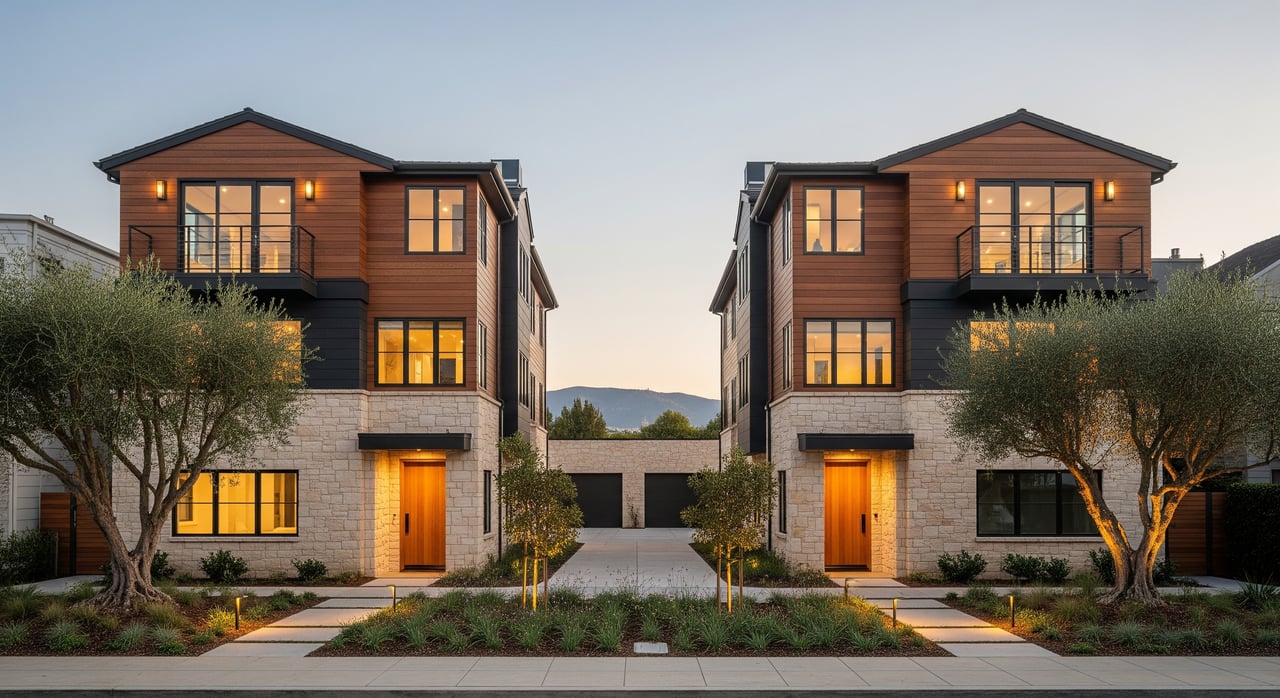
Thinking about buying a duplex in Fremont for rental income or house hacking? You are not alone. Investors are drawn to Fremont’s commuter access, stable tenant base, and long-term appreciation potential. In this guide, you will learn how to evaluate a Fremont duplex with clear underwriting steps, financing options, value-add ideas, and the due diligence that protects your returns. Let’s dive in.
Why Fremont duplexes get attention
Fremont sits in a strong Bay Area job corridor with access to I-880, I-680, and BART, including the Warm Springs/South Fremont extension. This connectivity supports steady rental demand from commuters and tech workers. Many renters also look for family-friendly amenities like parks and neighborhood services, which can support demand for 2–3 bedroom units.
Compared with nearby cities, Fremont is often viewed as relatively stable with lower vacancy and longer tenant stays. That stability can mean lower yields than higher-risk submarkets, so you should plan for conservative cap rates. Statewide tenant protections, including the Tenant Protection Act of 2019 (AB 1482), may apply, so it is important to understand how rent caps and just-cause rules affect your plan.
What duplexes cost and how to frame rents
Price and rent vary by neighborhood, lot size, unit mix, and building condition. Instead of relying on one number, build a range using recent duplex comps and active listings in the immediate area. Confirm unit sizes, parking, condition, and any unpermitted work.
For rents, evaluate by unit type. Look at recent asking rents for 1-, 2-, and 3-bedroom units and adjust for finishes, parking, laundry, and utility responsibility. Rents can differ by street and by proximity to transit, so validate with multiple sources and, when possible, a local property manager.
- Where to source pricing comps: local MLS, Alameda County Assessor, and recent closed duplex sales.
- Where to source rent comps: rental listing platforms, community boards, and property managers for on-the-ground feedback.
How to underwrite a Fremont duplex
Start with a simple pro forma. Use conservative assumptions and stress test your numbers.
Key line items to include
- Gross scheduled rent for all units
- Vacancy and credit loss, often 3–7 percent in stable submarkets
- Other income, such as parking or laundry
- Operating expenses: property taxes, insurance, utilities, maintenance, management, legal/accounting
- Capital expenditures: plan reserves for big-ticket items like roofs, HVAC, and sewer laterals
Reserve planning
- Short-term repair reserves commonly range from $1,500 to $4,000 per unit per year in higher-cost markets, scaled to building age and systems.
- For older properties, budget for major systems and potential seismic or electrical upgrades.
Cap rate basics
- Net Operating Income (NOI) = Effective Gross Income minus Operating Expenses.
- Cap Rate = NOI divided by Purchase Price.
Illustrative pro forma example
Below is a simple example using illustrative assumptions only. Replace these with current local comps before making decisions.
| Item | Assumption |
|---|---|
| Purchase price | $1,200,000 |
| Annual gross scheduled rent | $78,000 |
| Vacancy | 5% |
| Other income | $0 |
| Operating expenses | 35% of effective gross |
Outputs (illustrative)
- Effective gross income = $78,000 × (1 − 0.05) = $74,100
- Operating expenses = 35% × $74,100 = $25,935
- NOI = $74,100 − $25,935 = $48,165
- Cap rate = $48,165 ÷ $1,200,000 = 4.01%
Leveraged view (illustrative)
- Equity invested: 25% down = $300,000
- Loan amount: $900,000
- Annual debt service: assume $68,400 based on typical investor loan terms
- Pre-tax cash flow = NOI − Debt service = $48,165 − $68,400 = −$20,235
- Cash-on-cash return = Pre-tax cash flow ÷ Equity invested = negative in this example
- DSCR = NOI ÷ Debt service ≈ 0.70, which is below the 1.20 many lenders prefer
What this means for you
- A 4 percent cap rate acquisition may not cash flow with typical investor financing. Your plan should focus on buy price discipline, value-add improvements that increase income or reduce expenses, or owner-occupant financing that lowers the cost of capital.
- Model multiple scenarios: as-is, post-rehab stabilized, and a conservative downside case.
Financing options for 2-unit properties
Owner-occupant loans
- Conventional and FHA loans allow 2-unit purchases when you live in one unit. FHA’s low down payment can reduce cash needed at closing. Confirm current FHA rules, occupancy requirements, and property standards with your lender.
Investor loans
- Conventional investment loans typically require 15–25 percent down, higher rates, and reserves. Some lenders offer DSCR or portfolio loans that size the loan based on property income.
Refinance for BRRR
- For a buy-rehab-rent-refinance plan, lenders may underwrite to after-repair value and stabilized income. Ask about seasoning periods, appraisal requirements, and loan-to-value limits.
Value-add ideas that work in Fremont
Focus on improvements that increase rentability, reduce expenses, or expand rentable area. Always confirm permitting needs with the city before you start.
- Cosmetic refresh: paint, flooring, lighting, and targeted kitchen or bath updates. Typical ranges can run $5,000 to $25,000 per unit.
- Full kitchen remodel: often $20,000 to $60,000 depending on finishes.
- Full bathroom remodel: often $10,000 to $30,000 depending on scope.
- Systems upgrades: electrical panels, HVAC, or roof can range widely and should be scoped during inspections.
- Separate utilities: metering electricity, gas, or water can reduce owner expenses and boost NOI.
- In-unit laundry: strong tenant preference that can support rent.
- ADU potential: California is ADU-friendly in many cases, but local setbacks, parking, and fees apply. ADUs often require significant time and cost, so verify feasibility early.
Tip: Compare the rent lift from each improvement with its total cost and timeline. Favor work that produces the highest effective rent per dollar spent.
Hold vs BRRR in the Fremont context
Buy-and-hold
- Pros: income stability, lower turnover, potential long-term appreciation, and simpler financing.
- Cons: slower equity growth without rent increases or appreciation; ongoing capital needs.
BRRR
- Pros: create value with rehab, recycle capital after refinance, and scale faster.
- Risks: permitting timelines, contractor costs, appraisal variability, conservative lender assumptions, and tenant protection constraints.
Local considerations
- Expect permitting timelines and fees to matter. Start feasibility reviews early.
- Work with lenders and appraisers who know Bay Area small-multifamily.
- If you pursue an owner-occupied BRRR, discuss occupancy and seasoning requirements upfront.
Due diligence checklist for a Fremont duplex
- Zoning and use: confirm duplex status, legal nonconforming status if applicable, and ADU feasibility.
- Title: review easements, encumbrances, or restrictions.
- Unit legality: verify permits for all units, separate addresses, and metering.
- Rent roll: review leases, deposits, and tenant history. Obtain tenant estoppels when possible.
- Physical inspections: structure, roof, plumbing, electrical, mold, pest, and sewer lateral.
- Utilities: confirm who pays what and whether utilities can be separately metered.
- Parking: understand on-site parking and any local parking constraints.
- Insurance: verify premiums and availability, including earthquake coverage.
- Landlord-tenant laws: understand AB 1482 applicability and local rules that could affect rent increases and eviction processes.
- Permit history: confirm that past work was permitted and closed.
What a good deal looks like
- Realistic rent comps that match unit size, condition, and location.
- A clear value-add path to improve income or reduce expenses within 6–18 months.
- Manageable capital needs validated by inspections and a reserve plan.
- Financing that meets your risk profile, with DSCR at or above your target threshold.
- Conservative underwriting that still works if vacancy rises or expenses come in high.
Key metrics to check
- Effective Gross Income, NOI, and Cap Rate
- Cash-on-Cash Return and DSCR
- Break-even ratio for stress testing
- GRM for quick screening
Next steps
- Pull recent duplex comps in your target Fremont neighborhood and build a conservative pro forma.
- Speak with a lender about owner-occupant and investor loan options, including DSCR and BRRR-friendly products.
- Line up a property manager, contractor, and inspector early so you can price repairs and confirm timelines.
- Validate local permitting and tenant rules before you commit to any value-add plan.
If you want a localized pro forma, recent comps, and a clear buy-or-wait recommendation for a specific Fremont duplex, reach out to Edelino Chen to schedule a free consultation.
FAQs
How does AB 1482 affect a Fremont duplex investment?
- AB 1482 often caps annual rent increases and sets just-cause eviction rules, so model conservative rent growth and confirm if your property is covered or exempt.
Is house hacking a Fremont duplex viable for first-time buyers?
- Yes, owner-occupant financing such as conventional or FHA for 2 units can lower your down payment and monthly cost while the second unit offsets the mortgage.
What cap rate is typical for small multifamily in Fremont?
- Cap rates in tight Bay Area markets are often lower than national averages, so plan for compressed yields and focus on value-add or disciplined pricing.
Can I add an ADU to a Fremont duplex?
- California ADU laws are generally favorable, but local setbacks, parking, and fees apply, so verify feasibility and timelines with the city before underwriting.
What reserves should I budget for an older Fremont duplex?
- A common planning range is $1,500 to $4,000 per unit per year, with higher reserves for buildings that need roof, HVAC, electrical, or sewer upgrades.